
Wild Bee
Reserve
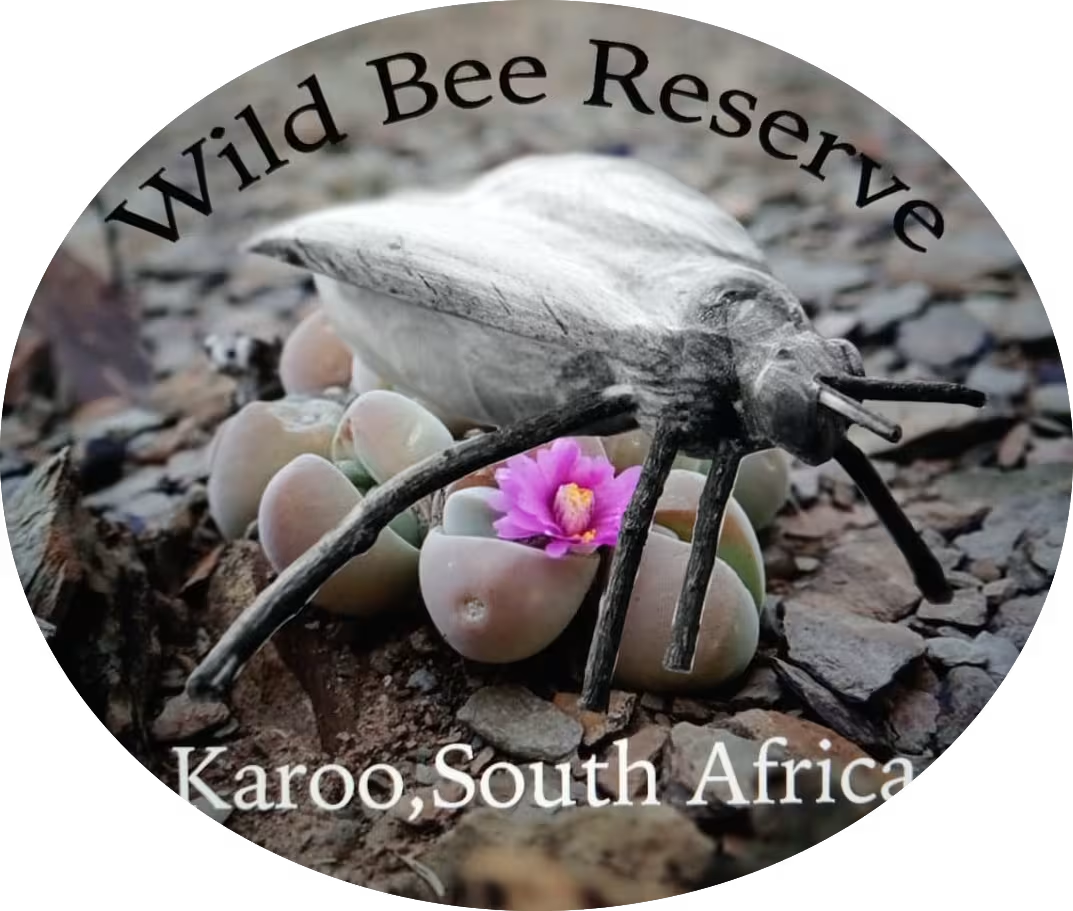

Over the last twenty years, Jenny Cullinan has been the first wild bee researcher in the world, living and working directly amongst the rich wild bee populations of South Africa. Her discoveries about the world of bees beyond standard agricultural narratives have electrified—and disrupted—the common assumptions about how bees live and what they need to thrive.
In her research travels in the desert Karoo region, she discovered a special area holding a rich ecosystem of bees, flora and ancient human presence—all reflecting a powerful and deeply connected relationship between land, bees and humans.
She recognized the opportunity and call to both protect and learn from this rare ecological sanctuary.

For years, Jenny had been doing traveling talks across South Africa with the farmers, landowners and communities who could most benefit from an evolving understanding of true well-being for bees. Through these collaborative networks, she also experienced the deep challenge and need for spaces and relationships free from the institutional and commercial biases and demands that have largely defined humans’ use and understanding of bees.
As the network and need grew, she and her supporters saw the need to find ways to ground, connect and share this awareness and knowledge more broadly and effectively—in spaces and ways where both land and bees could be protected and tell their own true story.
When Jenny met Naz, a young wilderness park guide with a deep affinity and enthusiasm to learn and focus on the wild bees in his park, she recognized the opportunity to mentor and
train a group of “bee rangers”—people in a variety of environments who could not only attune to the bees in their own
unique region and gather research but also share and apply new practices for protecting wild bee populations from rising human and environmental threats.
As she began to meet with and train Naz, she saw how the land for the wild bee reserve could serve as both a physical and energetic home where this integrated research/applied practices approach could be organically developed and modeled.
Supported by her brother Cormac Cullinan—a renowned environmental lawyer and leader in the global land sovereignty movement—Jenny has the opportunity to combine the stories of both bees and the land in the same vision.
By establishing the land for the Wild Bee Reserve not only as a protected space but as a sovereign legal entity unto itself, a model can be shown where land, bees and humans work together in an equitable relationship where each participant holds the right to be recognized as a contributing being in their own story.
As this legal movement continues to grow worldwide, the Wild Bee Reserve can be a hub for the living moments of beauty, insight, data and storytelling that come from land when it is recognized, protected and listened to in this way. As Jenny continues to live and listen in harmony in this space, the first modern human narrative of relationship with land and bees can emerge where they are able to speak on their own terms.
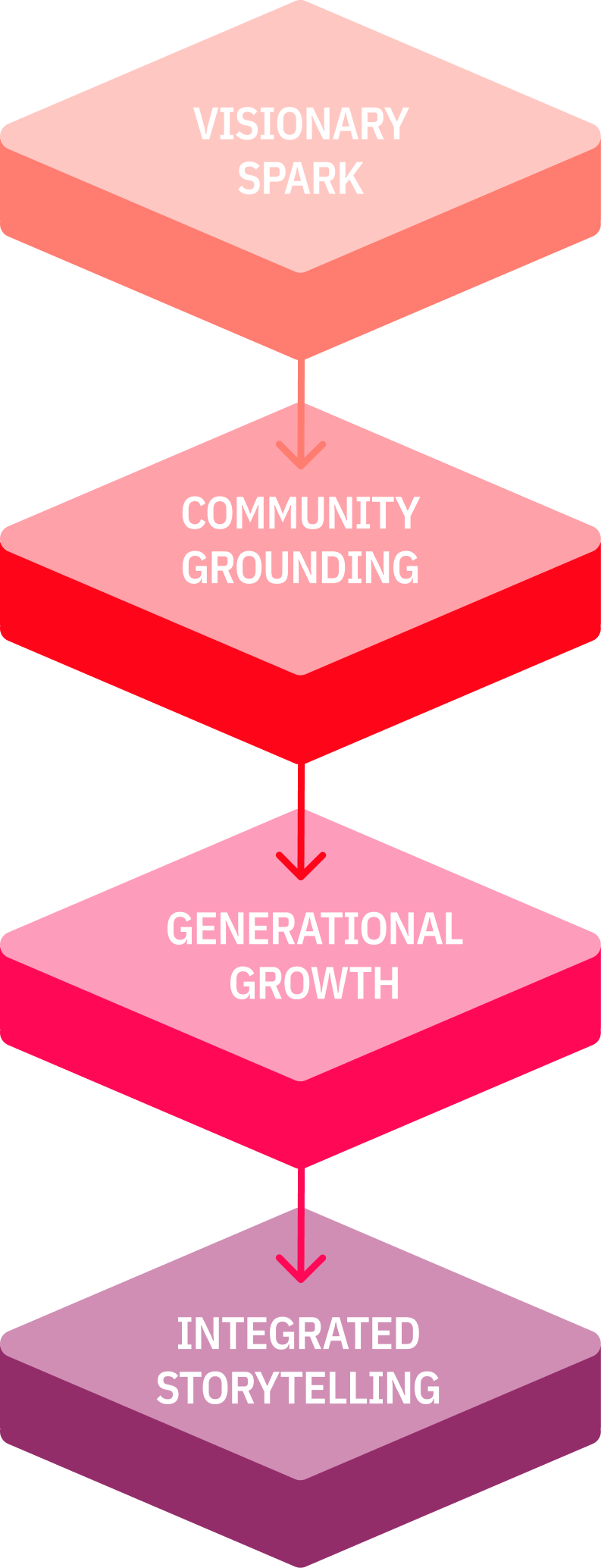
The Wild Bee Reserve weaves together the past, present and future of one of our most important interspecies relationships by protecting a special place where they can thrive in their natural diversity.
But its elements also all work together to offer a working mechanism for how we can substantively and in real-time protect wild bee populations around the world that countless ecosystems depend on while redefining the way we understand and approach them.
The Wild Bee Reserve will also be the first and only of its kind in the world.
Together they represent the essential starting point for a new understanding of humans relationship with bees.